Behind the news
Between February 28 and March 11, 2026, AFP journalists published more than 1,000 videos and delivered over 800 hours of live video footage.
AFP provided coverage from 55 countries and more than 120 locations, thanks to our unrivalled worldwide network.
AFP was the first agency filming live outside the US Al Udeid AIR base in Doha on February 28.
Over the following two weeks, AFP maintained a strong live video presence in the Strait of Hormuz and Beirut, capturing compelling footage of a missile strike.
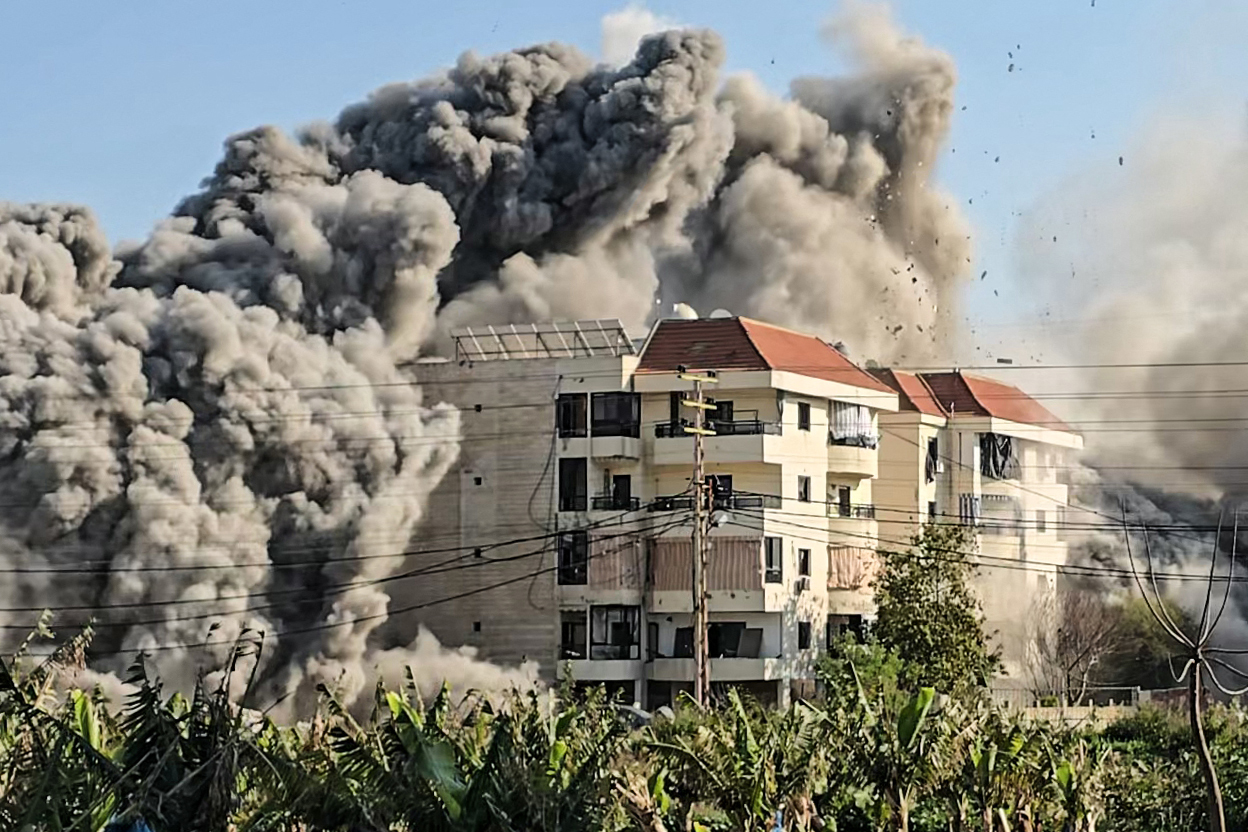
Sour, South Lebanon. © Kawnat Haju / AFP
Telling the story in images
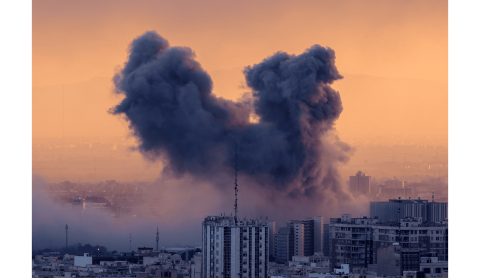
AFP footage that shaped global coverage
From the first day of the war, on February 28, AFP covered the start of a conflict that rapidly escalated beyond Iran’s borders.
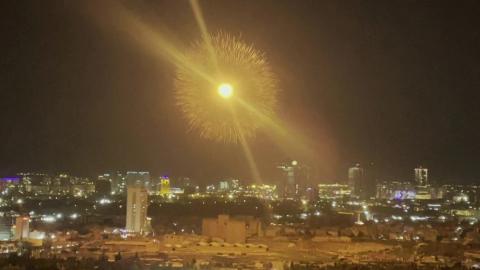
In the hours after the announcement of Ayatollah Ali Khamenei’s death in a massive US-Israeli operation, Iran launched retaliatory missile strikes across Israel and the Middle East. AFP captured Israeli air defence systems intercepting missiles over Haifa, as explosions were heard across Israeli cities.
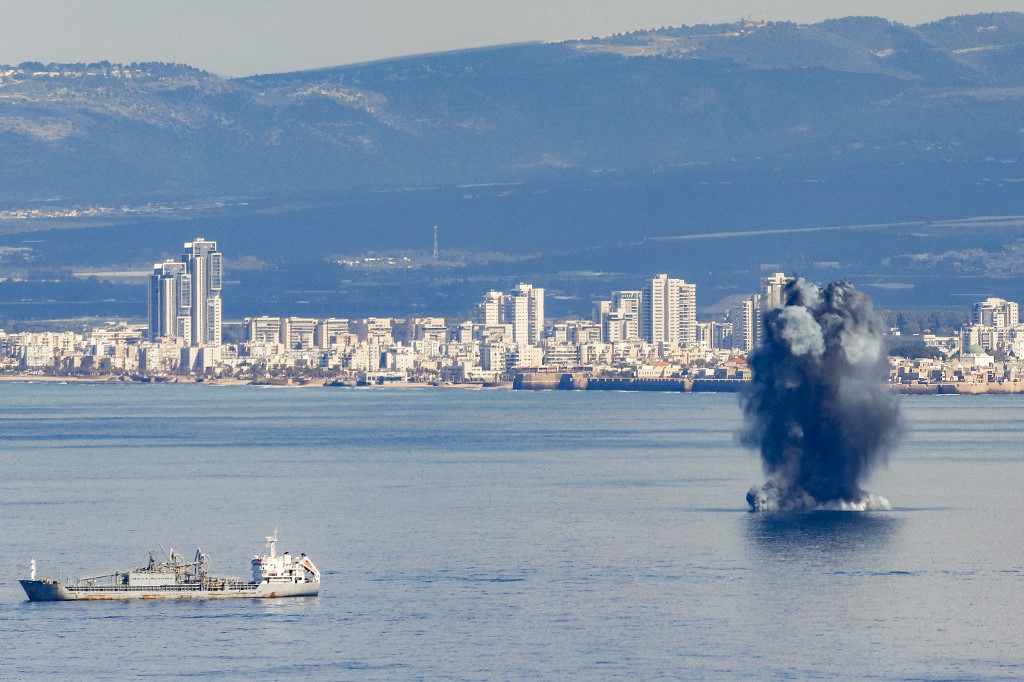
Haifa, Israel. © Jalaa Marey / AFP
In the following days, Iran broadened its retaliation campaign. On March 3, AFP journalists on the ground captured images of heavy smoke rising over Doha after strikes hit Gulf countries hosting US military assets. Explosions were also documented in Dubai, Manama and Riyadh, as Gulf states faced one of the most significant regional security crises in decades.
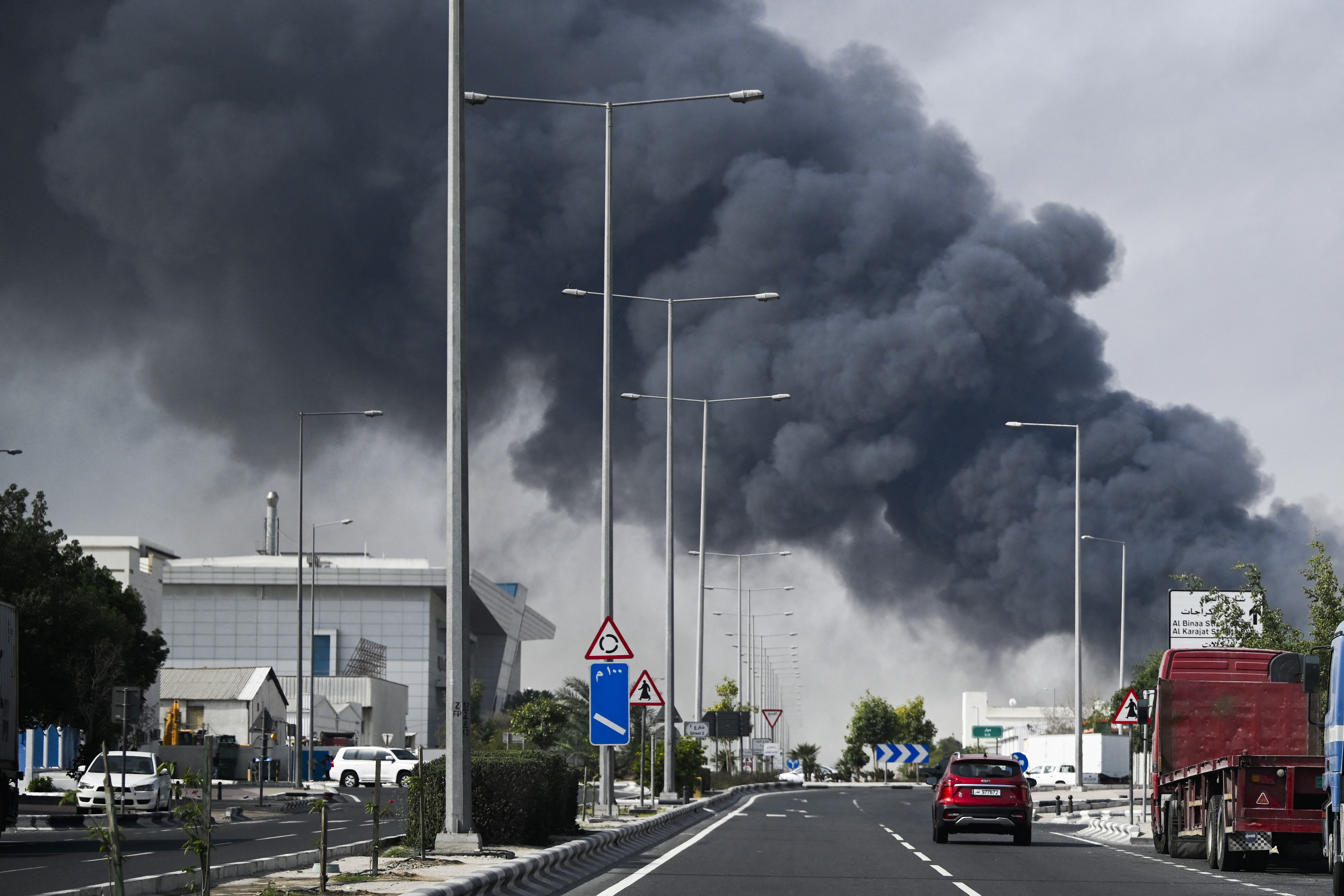
Doha, Qatar. © Mahmud Hams / AFP
Hours later, AFP documented heavy smoke and missile interceptions in Dubai as Iran launched retaliatory strikes. As Washington indicated that military operations could continue for weeks, AFP’s footage showed the growing regional impact of the war.
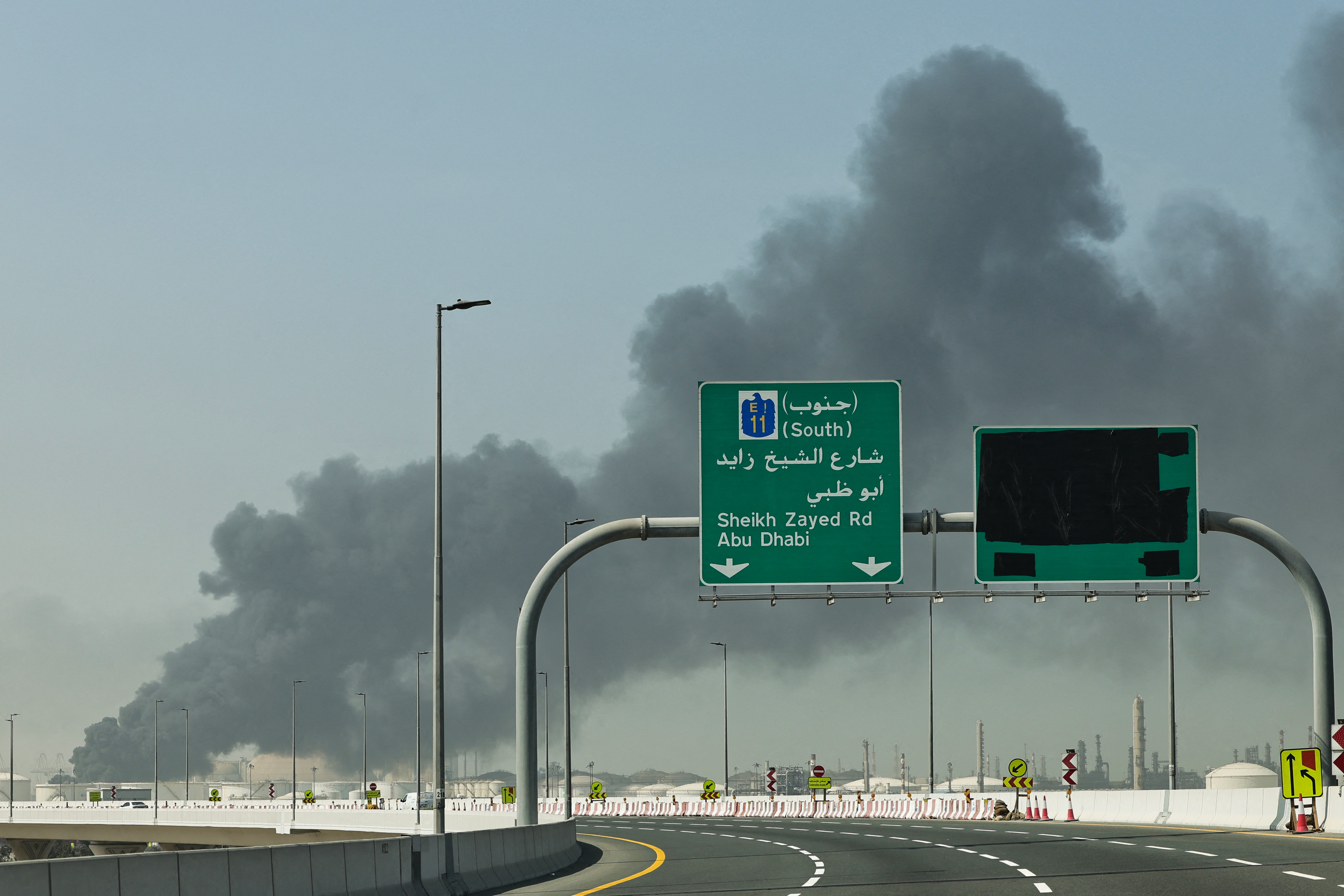
Dubai, United Arab Emirates. © Fadel Senna / AFP
From broadcasters to YouTube: the reach of AFP footage
AFP footage was widely reused by leading international media on YouTube, reaching a combined audience of more than 730 million views.
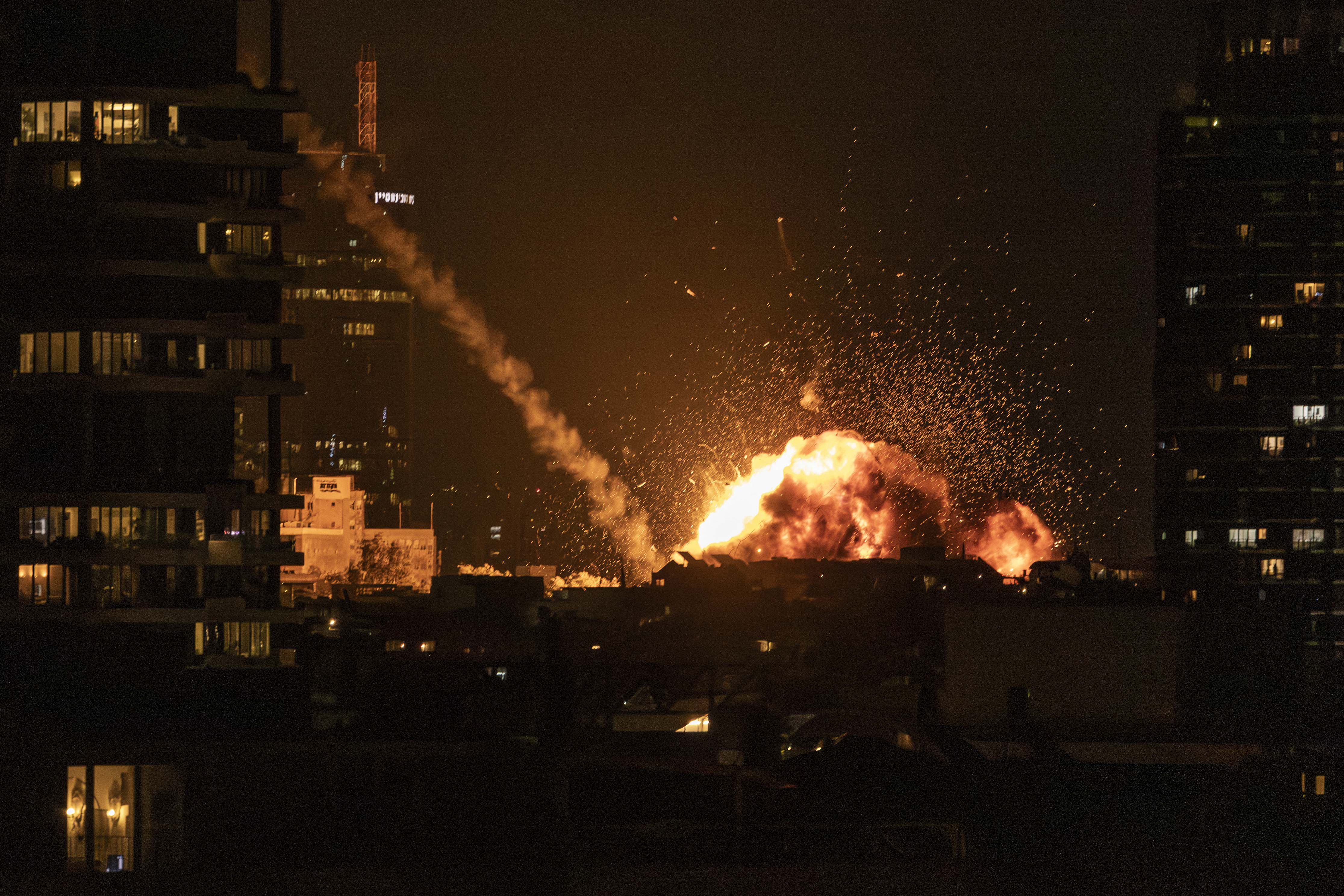
Tel-Aviv, Israel. © John Wessels / AFP
On AFP’s YouTube channel, the most-watched video on the conflict surpassed 500,000 views.